
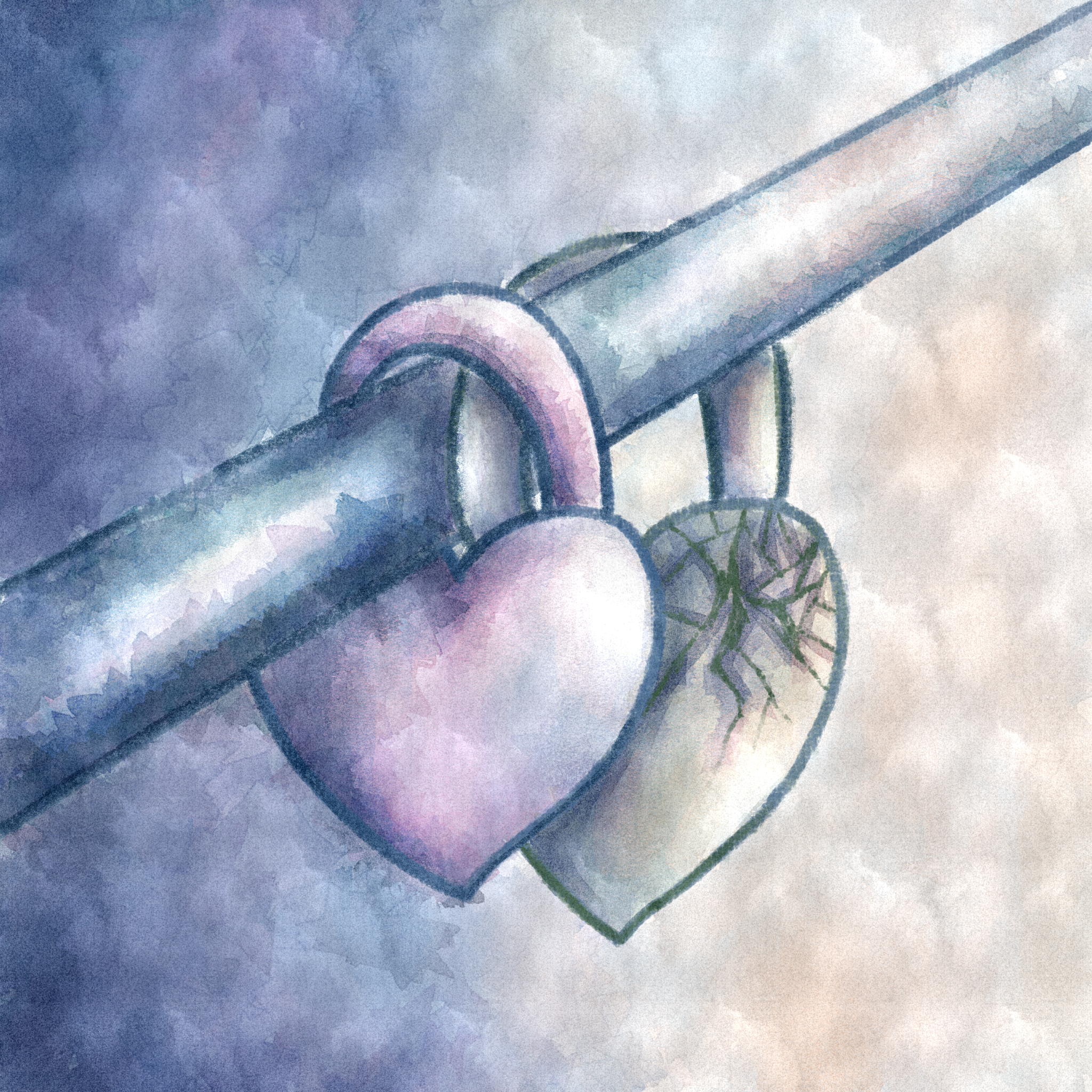
February is a month to recognize that teens are getting hurt out there — those times of hanging out and building relationships and trying to find love in all the wrong places — it is real and it is not healthy. Dating abuse is serious! Nearly 1.5 million high school students nationwide experience abuse from a dating partner each year. 1.5 MILLION.
It might be physical violence — any repetitive act which is meant to control, frighten, restrict or manipulate another person against their will.
Here are some examples of physical abuse: scratching, punching, biting, kicking, pinching, burning, pulling hair, strangling, slapping, pushing or slamming against a wall. Also using a weapon, twisting arms or fingers, grabbing and squeezing, throwing objects at you, restraining you with force and abandoning you in a dangerous place.
It might be sexual abuse — any sexual behavior which is uninvited and done against another person’s will.
Here are some examples of sexual abuse: date rape, unwanted kissing or fondling, forcing you to go further than what you want. Also touching you in ways that make you feel uncomfortable, calling you sexual names, or making demeaning remarks about your gender.
It might be verbal or emotional abuse — anything said or done which causes fear, affects self-esteem or controls the behavior of another person through manipulation.
Here are some examples of emotional and verbal abuse: name-calling, yelling or screaming, insulting, racial slurs, humiliation, stalking, threatening suicide, harming your pets, threatening to hurt you or someone you love. They may try to make you feel responsible for causing THEIR violence, tell you what to do, what to wear, how to act. It is emotionally abusive of them to control your actions, isolate you from your friends and family or to continually criticize and belittle you. If they subject you to their reckless driving or make all your decisions for you or leave you feeling small…THAT’S ABUSE.
(This is an excerpt from “Time To Talk” a new publication by FOCUS Ministries to help teens, families and youth groups jump-start conversations about abuse.)